
How to Find a Qualified Oral Surgeon: What Questions Should You Ask Before You Book a Consultation?
Most people choose an oral surgeon the way they choose any other provider: a quick online search, a few reviews, and the first available appointment. But oral surgery is a specialized field with varying levels of training, and not every provider is equally equipped for every case.
In this article, we cover the questions that matter most before you book a consult.
Why Choosing the Right Oral Surgeon Matters More Than Most People Think?
Oral and maxillofacial surgeons are trained to manage some of the most structurally complex procedures in healthcare, including dental implants, corrective jaw surgery, wisdom tooth extraction, TMJ treatment, sleep apnea solutions, and facial trauma repair.
The breadth of that training matters considerably, because the same professional title can represent very different levels of experience depending on where a surgeon trained, how many procedures they have completed, and how current their techniques are.
A surgeon who excels at straightforward extractions may not have the same depth of experience in robotic implant placement or orthognathic surgery, which is why matching the surgeon's actual expertise to the complexity of your procedure is a critical first step.
The consequences of choosing the wrong provider extend well beyond a single appointment. Complications from a procedure performed outside a surgeon's core area of competence can require revision surgery, extended recovery, and additional diagnostic costs that far outweigh any savings from choosing a less qualified provider at the outset.
Taking the time to evaluate a surgeon's qualifications before booking a consultation is one of the most valuable steps a patient can take.
Why Your Local Healthcare Landscape Shapes Your Decision?
The quality of oral surgical care available to you is not just a function of which clinic you walk into but is shaped by the entire healthcare environment surrounding it. That environment varies dramatically depending on where you live, and understanding it changes how you should approach your search.
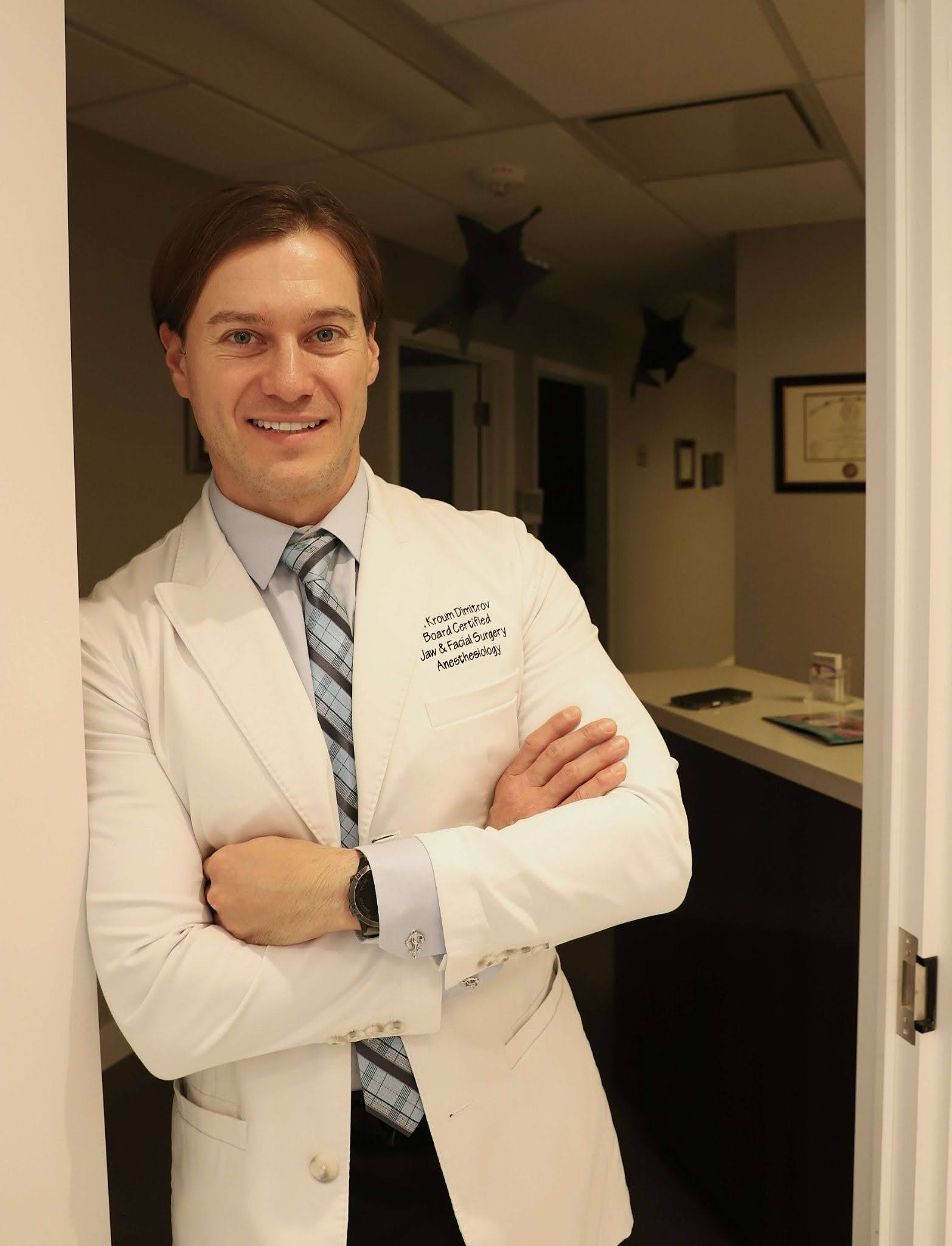
In a major metropolitan area like Miami, the challenge is abundance. The city's size and demographics have attracted a dense concentration of specialists, which means a patient has genuine options, but also genuine exposure to providers who market aggressively without the clinical depth to justify it. The competitive pressure of that market cuts both ways: it incentivizes excellence among the best practices, and it incentivizes the appearance of excellence among the rest. Love Your Jaws, an oral surgery clinic in Miami, with Dr. Kroum Dimitrov at the helm, is an example of a clinic that stands on the right side of that line, where board certification, diagnostic technology, and procedural track record are verifiable rather than implied.
In a smaller market, say a mid-sized city like Boise, Idaho, or Greenville, South Carolina, the dynamic flips. Patients often face a short list of providers, limited by geography and referral networks that have gone unchallenged for years. The absence of competition can quietly lower the standard of care, not because surgeons in those markets are less capable, but because patients have less basis for comparison. There is no obvious benchmark to measure against, fewer second opinions to seek, and a stronger social pull toward the familiar name rather than the most qualified one. The risk is not being misled but not knowing what a higher standard looks like.
In both environments, the lesson is the same: the local landscape sets the context, but it does not decide for you. A patient in Miami still has to cut through the noise. A patient in a smaller city still has to resist the inertia of convenience. Knowing which market you are in simply tells you which pitfalls to watch for first.
Credentials and Board Certification: What to Look For?
Board certification in oral and maxillofacial surgery is one of the clearest markers of a surgeon's clinical qualifications, and it should be one of the first things a patient looks for when evaluating a provider.
Earning this certification requires completing an accredited residency program in oral and maxillofacial surgery, passing both written and oral examinations administered by the national certifying body for the specialty, and maintaining a commitment to continuing education and periodic re-evaluation.
Holding board certification is meaningfully different from simply holding a dental or medical license because it reflects a higher and more specific standard of surgical training and ongoing accountability.
Beyond board certification, professional affiliations with recognized national organizations in oral surgery and dental anesthesiology are additional indicators worth looking into. Active membership in these organizations means a surgeon is engaged with the latest clinical standards, peer-reviewed research, and the professional accountability structures that specialty organizations require of their members.
Most reputable practices make their surgeons' credentials available on their websites or upon request, and any surgeon who is reluctant to share this information is a surgeon worth reconsidering.
Experience and Specialization: Asking the Right Questions
Not all oral surgery experience is equal, and the volume of procedures a surgeon has completed in a specific area is one of the most reliable indicators of clinical proficiency. A surgeon who has performed hundreds of robotic dental implant placements develops a level of judgment and technical fluency that cannot be replicated by someone who performs the same procedure only occasionally.
When evaluating a potential provider, ask directly how many procedures of the type you need they have completed, and whether they can speak to their approach to outcomes and complications in that area of practice.
Specialization within oral surgery is another dimension that patients frequently overlook when selecting a provider. While all board-certified oral and maxillofacial surgeons share a common foundation of training, many develop concentrated expertise in specific areas such as jaw surgery, full-arch implant reconstruction, or sleep apnea surgical treatment.
A patient seeking corrective jaw surgery or a complex implant restoration will be better served by a surgeon whose practice is built around those procedures than by one who handles them as occasional cases among a much broader caseload.
Asking about a surgeon's primary clinical focus is a direct and practical way to assess whether their depth of experience genuinely matches your specific treatment needs.
Technology and Diagnostic Capabilities: What the Practice Should Offer?
The diagnostic tools a practice uses are a reliable reflection of the standard of care a patient can expect.
3D cone beam CT scanning is now considered a foundational technology in oral surgery, providing a level of detail in bone structure, nerve positioning, and airway anatomy that traditional two-dimensional imaging cannot match.
A practice that still relies on outdated imaging methods for surgical planning is working with an incomplete picture of the patient's anatomy, which increases procedural risk and limits the precision of the treatment plan.
Robotic-assisted surgery represents the current standard of precision for dental implant placement, and a surgeon's familiarity with this technology is worth raising during the evaluation process.
An FDA-cleared robotic surgical system provides real-time guidance during implant placement, enabling sub-millimeter accuracy that reduces soft-tissue disruption and supports a more predictable recovery. Asking whether the practice uses robotic guidance and how many robotic procedures the surgeon has completed gives patients a concrete measure of the practice's investment in clinical outcomes rather than a vague reassurance about its commitment to quality.
Meet Dr. Kroum Dimitrov: A Benchmark for What to Look For in an Oral Surgeon
Dr. Kroum Dimitrov is a board-certified oral and maxillofacial surgeon whose credentials and clinical record offer a useful benchmark for the qualities patients should seek in any qualified provider. He holds certification from the national board that governs the oral and maxillofacial surgery specialty and maintains active membership in professional organizations dedicated to both oral surgery and the safe administration of anesthesia, reflecting a sustained commitment to clinical standards and continuing education.
With more than 12 years of experience and a record of over 1,400 patients served, his practice reflects both the broad training that oral and maxillofacial surgery requires and the depth of case volume that produces sound surgical judgment.
Dr. Dimitrov has completed more than 900 robotic-assisted dental implant procedures using an FDA-cleared robotic guidance system, placing him among the more experienced practitioners of this technology in the region.
His practice is equipped with advanced 3D cone beam CT imaging and intraoral scanning, providing the diagnostic infrastructure to evaluate jaw structure, airway dimensions, and surgical anatomy with a high degree of precision before any procedure begins.
His approach is guided by a philosophy of personalized, patient-centered care, in which treatment plans are designed around the individual anatomy and goals of each patient rather than applied as a standardized protocol.
Anesthesia and Sedation: A Question Most Patients Forget to Ask
Anesthesia is an integral part of oral surgery, and the qualifications of the person administering and monitoring it deserve the same careful consideration as the surgical credentials of the provider performing the procedure.
Not every oral surgeon has the same level of anesthesia training, and practices vary in the types of sedation they are equipped to provide. A surgeon with credentials in IV sedation and general anesthesia through a recognized professional body in dental anesthesiology can manage a wider range of patient needs than one whose practice is limited to local anesthesia alone.
Patients should ask directly what sedation options are available at the practice, who administers and monitors the anesthesia during surgery, and what the recovery protocol looks like once the procedure is complete.
A well-run surgical practice will have clear systems in place for monitoring patients during sedation, responding to any adverse reactions, and providing thorough pre-operative and post-operative sedation instructions.
The quality of a practice's anesthesia protocols is not simply a comfort consideration; it is a patient safety standard that belongs in every pre-consultation evaluation.
The Consultation Itself: Questions to Ask Before You Commit
The consultation appointment is a patient's best opportunity to assess whether a surgeon is the right fit before committing to any treatment. Arriving prepared with specific questions about the recommended procedure, including why this approach is being recommended over alternatives, what the realistic risks and expected outcomes are, and how many steps the full treatment involves from start to finish, makes the appointment far more productive.
A surgeon who addresses these questions with patience and clarity, without rushing or deflecting, demonstrates a level of respect for the patient's decision-making role that should be a baseline expectation in any surgical setting.
Questions about the practice itself are equally important and should not be passed over.
Ask whether the surgeon is board-certified in oral and maxillofacial surgery, how many cases similar to yours have been handled at the practice, what imaging and surgical technology is used to plan and guide procedures, and whether emergency oral surgery care is available should a post-operative concern arise.
Clarity around payment options, insurance coverage, and available financing plans is also part of a responsible pre-consultation process, since cost transparency from the beginning prevents uncertainty from compounding an already stressful experience.
What to Look For When Evaluating an Oral Surgeon?
Finding the right oral surgeon becomes much easier when you know the specific markers of a qualified, well-run practice. Before committing to a consultation, look for the following:
- Board certification in oral and maxillofacial surgery, confirmed through the practice's website or provided without hesitation upon request
- Demonstrated case volume in the specific procedure you need, not just general surgical experience
- 3D cone beam CT imaging and intraoral scanning used as standard tools for diagnosis and surgical planning, not as optional upgrades
- Clear, upfront communication about procedure costs, sedation options, and post-operative care before any commitment is made
- A structured protocol for post-operative complications, including access to emergency surgical care when it is needed
- A consultation that is thorough and unhurried, giving patients the time and space to ask questions, weigh their options, and understand the full treatment plan
These markers, taken together, reflect a practice that is built around clinical accountability and patient outcomes rather than volume and convenience. A surgeon who meets this standard will not only welcome your questions but will treat them as a sign that you are approaching your care with the seriousness it deserves.
Choosing an Oral Surgeon Is a Decision That Deserves Your Full Attention
Finding a qualified oral surgeon takes more than a convenient search and an open appointment slot. It requires a careful look at board certification, clinical experience in the specific procedures you need, diagnostic and surgical technology, anesthesia credentials, and the transparency a surgeon brings to the consultation process.
The questions covered in this article give patients a practical and structured framework for that evaluation, making it possible to move from uncertainty to a well-informed decision about who should be trusted with their care. A surgeon who meets these standards will welcome the scrutiny, because qualified providers understand that an informed and prepared patient is the foundation of a successful surgical outcome.